
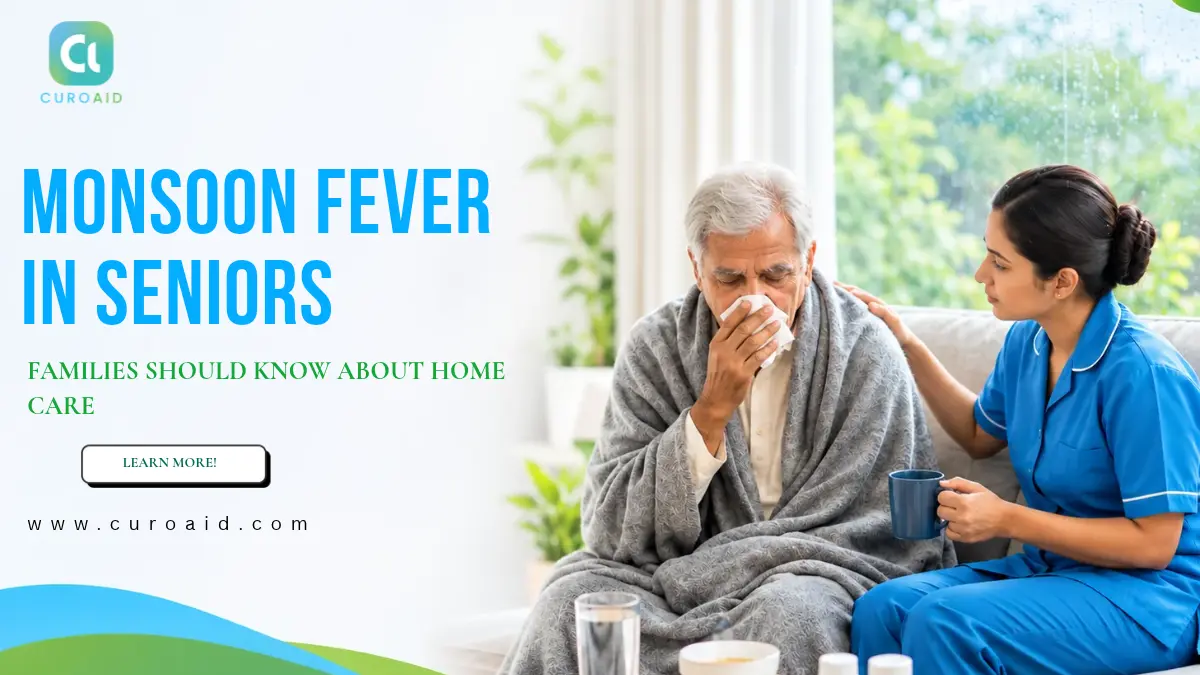
The monsoon season brings cooler weather and relief from the summer heat. However, it can also increase the risk of seasonal infections, particularly among older adults.
For families caring for ageing parents, even a mild fever can be a reason for concern. Symptoms such as body pain, weakness, chills, and loss of appetite may indicate an infection that requires medical attention.
As people age, changes in their immune system and existing health conditions can make it more challenging to recover from illnesses. This is why monsoon fever in seniors should never be ignored.
With timely medical guidance, proper monitoring, and compassionate elderly home care, families can help their loved ones manage illness more comfortably and safely.
In this guide, we explore the common causes of monsoon fever in seniors, practical home care tips, preventive measures, and warning signs that should not be overlooked.
Why Are Seniors More Vulnerable to Monsoon Fever?
Older adults may be more susceptible to infections due to age-related changes in immunity and underlying medical conditions.
During the monsoon season, several factors can increase the risk of illness:
1. Weakened Immune System
As people grow older, their immune response may become less effective. This can make it harder for the body to fight infections.
2. Existing Health Conditions
Seniors living with diabetes, heart disease, kidney problems, or respiratory conditions may require additional care when they develop a fever.
3. Increased Risk of Seasonal Infections
Rainy weather can create conditions that support mosquito breeding. Infections such as dengue and malaria may become a concern, alongside respiratory and other viral infections.
4. Risk of Dehydration
Older adults may not always feel thirsty even when their bodies need fluids. Fever, vomiting, and reduced food intake can further increase the risk of dehydration.
For these reasons, families should monitor their elderly loved ones carefully whenever they develop a fever.
Common Causes of Monsoon Fever in Seniors
Monsoon fever is not a specific disease. It is a general term used to describe fever associated with different seasonal illnesses.
Some possible causes include:
- Viral infections: Common viral illnesses may cause fever, fatigue, headache, and body aches.
- Dengue fever: A mosquito-borne infection that may cause high fever, severe headache, muscle pain, joint pain, nausea, and rash.
- Malaria: A mosquito-borne illness that may cause fever, chills, sweating, and weakness.
- Respiratory infections: Flu and other respiratory infections may cause fever, cough, sore throat, and breathing discomfort.
- Other infections: Urinary tract infections and other bacterial infections can also cause fever in older adults.
The exact cause of a fever cannot be determined from symptoms alone. A healthcare professional may recommend an examination or diagnostic tests based on the patient's condition.
Symptoms of Monsoon Fever in Elderly People
Recognising symptoms early can help families seek medical advice at the right time.
Common symptoms of fever in elderly people include:
- Increased body temperature
- Chills or shivering
- Headache
- Muscle and joint pain
- Weakness and fatigue
- Loss of appetite
- Nausea or vomiting
- Cough or throat irritation
- Increased sleepiness or unusual behaviour
Some older adults may not develop a noticeably high temperature even when they have an infection.
Important: Sudden confusion, unusual drowsiness, or a significant change in behaviour in an older adult should be taken seriously, particularly when accompanied by fever or other symptoms.
How to Care for a Senior With Fever at Home?
When a doctor confirms that home care is appropriate, families can support recovery through a few essential practices.
1. Encourage Adequate Rest
Rest allows the body to recover from illness.
Create a comfortable environment by:
- Keeping the room clean and well-ventilated.
- Providing a comfortable bed and suitable clothing.
- Avoiding unnecessary physical activity.
- Helping the senior move safely when needed.
Older adults who are weak may require assistance with walking, bathing, and other daily activities.
2. Maintain Proper Hydration
Fever can increase fluid loss, making hydration an important part of home care.
Depending on the senior's medical condition and doctor's advice, suitable fluids may include:
- Water
- Oral rehydration solution (ORS)
- Clear soups
- Other appropriate fluids
Monitor fluid intake and urination.
Note: Seniors with heart failure, kidney disease, or prescribed fluid restrictions should follow their healthcare professional's guidance regarding fluid intake.
3. Provide Nutritious and Easily Digestible Meals
During illness, older adults may experience reduced appetite.
Offer small, frequent meals that are easy to eat and digest.
Suitable food options may include:
- Vegetable soup
- Soft rice and dal
- Idli
- Porridge
- Cooked vegetables
- Other balanced meals based on dietary requirements
Avoid forcing food when the senior feels nauseated. Seek medical advice if they are unable to eat or drink adequately.
4. Monitor Temperature and Symptoms
Regular monitoring helps families identify changes in the senior's condition.
Maintain a simple health record that includes:
- Body temperature
- Medication taken as prescribed
- Fluid intake
- Urination
- Appetite
- Energy levels
- Changes in symptoms
Share this information with the doctor during consultations.
5. Follow Medical Advice for Medicines
Never start antibiotics or other medicines without medical guidance.
For suspected dengue, aspirin and ibuprofen should be avoided because they may increase the risk of bleeding.
A doctor can recommend appropriate fever management based on the senior's medical history, current medications, and symptoms.
Avoid relying only on home remedies when fever persists or the person's condition worsens.
When Should You Call a Doctor for an Elderly Person With Fever?
A fever in an older adult deserves careful attention, particularly when the person has an existing medical condition.
Contact a healthcare professional if the senior experiences:
- Persistent or recurring fever
- Increasing weakness
- Reduced food or fluid intake
- Repeated vomiting
- Decreased urination
- New or worsening confusion
- Persistent cough or other concerning symptoms
The need for medical evaluation depends on the person's overall condition, not just the temperature reading.
Warning Signs That Require Immediate Medical Attention
Some symptoms may indicate a serious infection or complication.
Seek urgent medical care if the senior experiences:
- Difficulty breathing
- Severe abdominal pain
- Persistent vomiting
- Bleeding from the nose or gums
- Blood in vomit or stools
- Severe drowsiness or confusion
- Fainting or collapse
- Cold, pale, or clammy skin
- Very little or no urine
- Severe weakness or sudden deterioration
These symptoms may indicate a medical emergency.
Do not wait for the fever to become higher before seeking help.
In suspected dengue, the period when the fever begins to decrease can sometimes be associated with serious complications. A falling temperature does not always mean the patient is recovering.
If any emergency warning signs appear, seek hospital care immediately rather than waiting for a home consultation.
How to Prevent Monsoon-Related Illnesses in Seniors?
Prevention is an important part of elderly care during the rainy season.
Families can take the following precautions to reduce the risk of seasonal infections.
Prevent Mosquito Breeding
- Remove stagnant water from containers, flowerpots, and other areas.
- Keep water storage containers covered.
- Use mosquito nets when appropriate.
- Follow locally recommended mosquito protection measures.
Maintain Personal Hygiene
- Encourage regular handwashing.
- Keep frequently touched surfaces clean.
- Maintain proper food hygiene.
- Avoid contact with people who have contagious illnesses when possible.
Keep the Home Environment Clean
- Ensure proper drainage.
- Avoid water accumulation around the home.
- Keep living spaces clean and dry.
- Maintain good ventilation.
Support Overall Health
Encourage seniors to follow a balanced diet, stay physically active within their abilities, maintain prescribed medications, and attend regular health check-ups.
Discuss appropriate seasonal vaccinations with their healthcare professional.
How CuroAid Supports Seniors With Home Healthcare During Monsoon?
Caring for an ageing parent during the monsoon season can be challenging, particularly when families have work commitments or live away from their loved ones.
CuroAid helps families access healthcare services at home, making it easier to arrange appropriate support for seniors.
Our home healthcare services include:
Doctor Visit at Home
When an elderly person develops a fever or experiences concerning symptoms, a doctor visit at home can help provide a medical assessment for appropriate non-emergency conditions.
Elder Care Services at Home
Our elder care services at home can support seniors with daily activities, companionship, and assistance based on their individual needs.
Nursing Care at Home
Professional nursing support may be appropriate for seniors who require assistance with prescribed medications, monitoring, or other nursing care.
The services required will depend on the senior's medical condition and the healthcare professional's recommendations.
Whether you are caring for your parents in Chennai or coordinating care from another city or country, having access to dependable home healthcare can make a meaningful difference.
CuroAid brings healthcare closer to home, helping families care for their loved ones with greater confidence.